Bonding Activities With Your Dog: 25 Simple Ideas
Building a closer connection with your dog does not require huge trips or fancy gear—just small, intentional moments throughout your day.
🐾 Free: what would your dog say about you?
Answer 6 questions →Building a strong connection with your dog comes down to shared focus, clear communication, and repeatable daily moments. Effective bonding activities with your dog do not require expensive equipment or full-day trips; they rely on tuning into how your dog experiences the world through scent, movement, and gentle attention. By matching activities to your dog’s current energy level and physical capabilities, you create a reliable pattern of mutual trust and fun.
Short answer: The best bonding activities with your dog blend physical movement, mental challenge, and calm companionship. Simple routines like dedicated sniff walks, scent hide-and-seek, micro-training games, and quiet evening rests build real closeness. Grouping activities by available time and energy ensures both you and your dog stay engaged without stress or fatigue.
What bonding activities with your dog really accomplish
Many owners assume that closeness builds naturally just by sharing the same house. While physical presence is a good start, active engagement is what turns routine cohabitation into true partnership. When you participate in intentional ways to bond with dog family members, you stimulate their mind and provide emotional security.
Dogs learn through predictable interactions. When you offer structured games or focused attention, your dog receives clear feedback about their safety and place in your life.
Focusing on shared experiences also gives you a deeper window into your dog’s unique personality. Many owners notice subtle signs of comfort—like a sudden relaxed sigh, a slow eye blink, or a gentle lean against your shin—when engaged in activities their dog genuinely enjoys. Observing the little things dogs do during training or play helps you read their mood and adjust your day to keep them comfortable and confident.
Bonding activities with your dog: Quick reference table by time and energy
To help you choose the right exercise for any moment, this comparison table categorizes 25 simple ideas by required time, physical energy, and primary benefit.
| Activity | Time Needed | Energy Level | Primary Benefit |
|---|---|---|---|
| Decompression Sniff Walk | 20–30 min | Moderate | Mental enrichment & stress reduction |
| Scent Hide-and-Seek | 10–15 min | Low to Moderate | Olfactory stimulation & confidence |
| Toy Rotation Trick Game | 5 min | Low | Focus & quick learning wins |
| Photo Walk Expedition | 30–45 min | Moderate | Environmental exploration |
| Quiet Evening Touch Ritual | 10 min | Very Low | Calm connection & body inspection |
| Muffin Tin Puzzle Game | 10 min | Low | Problem-solving & simple dog enrichment |
| New Route Exploration | 20–40 min | Moderate to High | Novel sensory input |
| Cardboard Box Shred Session | 10 min | Low | Natural foraging & stress release |
| Name Recognition Recall Game | 5 min | Low | Reinforcement of safety & focus |
| Park Bench Observation | 15–20 min | Very Low | Passive socialization & calm focus |
| Tug and Trade Game | 10 min | Moderate | Impulse control & play dynamics |
| Agility Walkway Obstacles | 15 min | High | Physical coordination & trust |
| Fetch With Pause Cues | 15 min | High | Self-regulation during high energy |
| Target Touch Training | 5 min | Low | Spatial awareness & easy win |
| Mirror-Image Movement Walk | 10 min | Low | Leash handling & attunement |
| Backyard Scent Trail | 15 min | Low | Scent tracking in familiar space |
| Frozen Lick Mat Experience | 15–20 min | Very Low | Licking relaxation response |
| Hand-Feeding Breakfast Routine | 10 min | Low | Value transfer & gentle focus |
| Gentle Grooming and Massage | 10–15 min | Very Low | Tactile comfort & handling care |
| Backyard Search Party | 10 min | Low to Moderate | Natural hunting instinct outlets |
| Obstacle Course at Home | 15 min | Moderate | Physical problem solving |
| Side-by-Side Lounge Time | 20 min | Very Low | Non-demanding physical presence |
| Shadow Walk Patterning | 10 min | Moderate | Cooperative heel work |
| Shell Game With Cups | 10 min | Low | Visual & scent tracking |
| Evening Sunset Watch Routine | 15 min | Very Low | Shared quiet environmental focus |
Low-energy ways to bond with your dog at home
On quiet days, rainy afternoons, or evenings when physical stamina is low for either of you, high-intensity play is unnecessary. Low-energy activities focus on sensory engagement and quiet closeness without taxing your dog’s joints or your own schedule.
Here are six gentle ideas to try right in your living room:
- The Muffin Tin Puzzle: Place dry kibble or small treats in the cups of a muffin tin. Cover each opening with a lightweight tennis ball or soft toy. Your dog must use their nose or paws to push the balls aside to claim the reward. It offers simple dog enrichment using household items.
- The Shell Game: Set three plastic cups upside down on the floor. Place an aromatic treat under one while your dog watches. Gently shuffle the cups and encourage them to point out or touch the right cup. This builds focus and reward tracking without physical strain.
- Cardboard Box Foraging: Gather clean, non-printed cardboard boxes or paper towel tubes. Hide treats inside and fold the ends closed lightly. Allowing your dog to rip through the paper provides a satisfying outlet for natural foraging instincts in an approved manner.
- Target Touch Training: Teach your dog to touch their nose directly to the palm of your open hand on command. Present your hand, reward the touch with a cue word and treat, and reset. This five-minute game builds fast success and tight focus.
- Frozen Lick Mat Ritual: Spread a thin layer of plain canned pumpkin, unsweetened peanut butter, or plain Greek yogurt onto a textured silicone mat and freeze it. Repetitive licking releases calming hormones in a dog’s brain, making this ideal for stressful or low-activity evenings.
- Hand-Fed Micro-Meals: Instead of setting down a bowl of kibble, use half of your dog’s standard meal during a ten-minute session of soft eye contact, gentle handling, or simple sit-stay practice.
Imagine an energetic beagle named Pepper who comes inside dripping wet from rain; a simple muffin tin puzzle gives her fifteen minutes of calm mental work that leaves her resting peacefully beside your desk.
Outdoor sniff walks and new route adventures
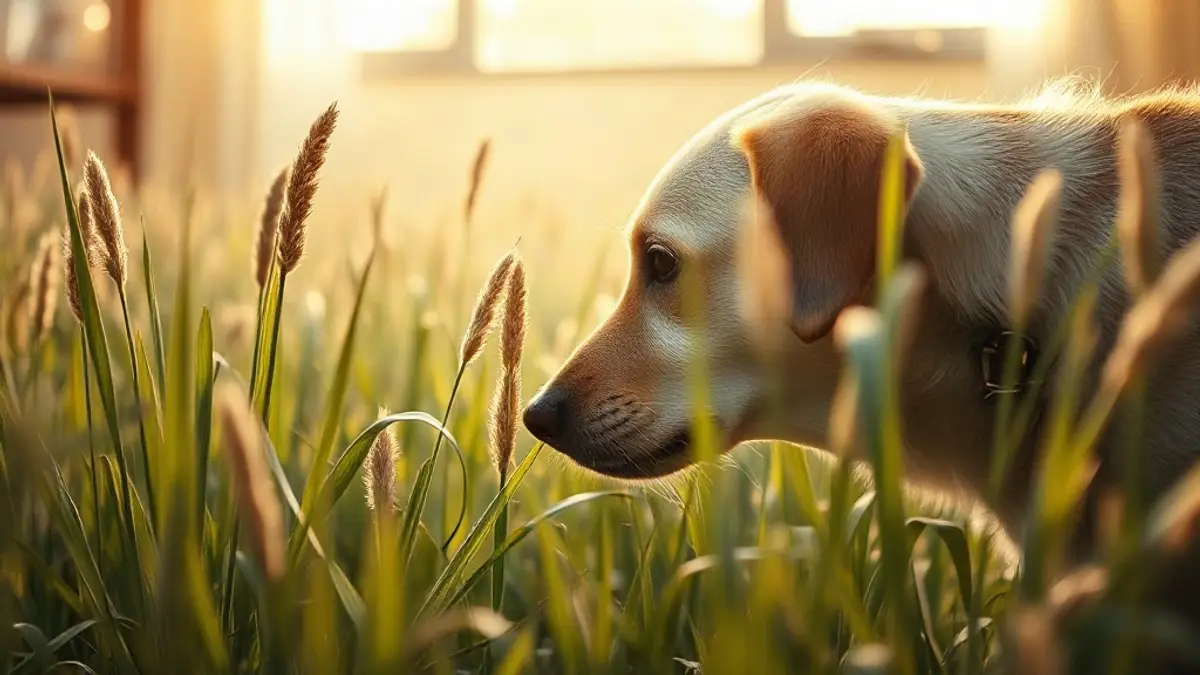
Movement is vital, but high-speed running is not the only way to satisfy a canine companion. For many dogs, exploring scent trails offers far richer mental stimulation than running till exhaustion.
When looking for fun things to do with my dog outdoors, shifting the focus from physical exercise to scent exploration changes the entire dynamic of your walk.
- Decompression Sniff Walks: Attach a long leash in a safe, open area and let your dog lead the way. Allow them to stop and sniff a single blade of grass or tree trunk for two solid minutes without pulling them away. Sniffing reduces a dog’s heart rate and provides vital information about their local environment.
- New Route Exploration: Taking the exact same walking path every morning can make walks feel like a routine chore. Turning left instead of right or visiting a new quiet neighborhood introduces fresh smells and novel visual sights, offering great sniff walk ideas without requiring long drives.
- Park Bench Observation: Find a calm park bench, sit down with your dog on a short leash, and simply watch the environment go by. Reward your dog whenever they look back at you after spotting a passing pedestrian or distant bicycle. This builds calm trust in busy public spaces.
- Photo Walk Expeditions: Take your camera or phone and set out to take creative photos of your dog against dynamic backdrops—autumn leaves, brick alleys, or neighborhood park bridges. Pausing for pictures teaches your dog patience while giving you lasting visual memories.
- Agility-Lite Bench Steps: Use natural urban obstacles like wide park benches, sturdy low retaining walls, or logs. Guide your dog to step up, hold a brief stay, and step down carefully. This improves body awareness and builds confidence in physical handling.
- Shadow Walk Patterning: Walk in a loose zigzag pattern across an open field, changing directions without verbal warnings. Your dog will quickly learn to watch your hips and body direction, creating seamless cooperation on the leash.
Testing out new things to do with dog companions keeps daily exercise fresh and prevents handler burnout.
Five-minute brain games and simple dog enrichment
Short, intentional bursts of mental exertion are often more tiring and satisfying for a dog than an hour of mindless fetch. Training games should feel like cooperative play, not high-pressure exams.
Understanding how to structure these quick sessions relies on basic principles of dog behavior. When a dog works out a puzzle to earn a reward, their brain releases dopamine, reinforcing their connection to you as the source of engaging challenge.
If you are thinking about what your dog wants to tell you, it usually includes a wish for clear feedback and predictable rewards. Try these structured games to play with dog companions during work breaks or evening downtime:
- Scent Hide-and-Seek: Have your dog wait in one room while you hide a high-value treat or favorite toy behind a chair leg or under a rug corner in another room. Release them with a cue and celebrate when they locate the reward.
- Toy Rotation Trick Game: Keep three-quarters of your dog’s toys packed away in a closed closet. Every three days, swap out two active toys for hidden ones. A forgotten rubber toy suddenly feels like a brand-new high-value object, driving enthusiasm for retrieve games.
- Name Recognition Recall Sprint: Sit on the floor across the hallway from a family member. Take turns calling your dog by name in a warm tone. When the dog trots over, offer a treat and enthusiasm before sending them back across the hall.
- Tug and Trade: Play a brisk game of tug-of-war for ten seconds, ask for a gentle drop command, and immediately trade the toy for a delicious treat. Once the treat is eaten, restart the tug game as the reward itself. This teaches emotional control during elevated excitement.
- Fetch With Pause Cues: Before throwing a thrown ball or toy, ask your dog for a quick sit or down. Requiring brief impulse control before releasing them to run prevents frenzied behavior and improves responsiveness.
- Backyard Search Party: Scatter a handful of small, dry treats or kibble across a grassy lawn. Encourage your dog to use their nose to hunt through every blade of grass until every piece is found.
Discover what your dog thinks of your routine
Ever wondered what your dog would say about these daily games if they had the words? You can try the free six-question experience on our site right now. It takes under a minute, requires no email or account signup, and uses six quick questions about your dog’s real quirks—like what they steal off your counter or how they react when you grab the leash—to create a personalized preview of what your dog might tell you about your daily routine.
Fun things to do with your dog on weekends
When you have a full morning or afternoon available, dedicated weekend outings build shared memories and deepen your working bond. These larger activities provide novel settings to test training and offer a healthy physical outlet.
Consider these four weekend ideas for active dog owners:
- Custom Sniffing Hikes: Select a dog-friendly nature trail known for low foot traffic. Bring a long line, fresh drinking water, and plenty of rewards. Focus on trail exploration rather than speed or distance.
- Dog-Friendly Cafe Outings: Visit an outdoor patio coffee shop during off-peak hours. Bring a thick mat or towel for your dog to lie on and a long-lasting chew toy. Practicing a quiet stay on their mat while you sip coffee builds exceptional public manners.
- Dedicated Photo Story Adventures: Plan a day trip specifically designed around building a narrative of your trips together. Whether exploring a nearby lake, visiting an orchard, or touring historic downtown streets, document your dog’s expressions and stops along the way. If you love documenting your travels, reading about a personalized dog adventure story offers great inspiration for capturing real trips in print.
- Water Splash Exploration: For dogs that enjoy shallow water, visit a clean stream or safe dog beach. Tossing floating toys into shallow water or stepping into the cool stream together builds deep physical trust in novel environments.
Imagine a golden retriever named Daisy whose owner takes her to a quiet mountain stream every autumn; Daisy spends an hour splashing through shallow pools, thoroughly satisfied before spending the entire Sunday afternoon sleeping on her dog bed.
Quiet rituals and how to celebrate the bond with your dog
Not every bonding moment involves movement, training, or physical output. In fact, some of the strongest bonds are forged during non-demanding, restful rituals where no effort is expected from either partner.
Learning how to celebrate bond with your dog includes honoring the quiet spaces between energetic adventures. Dogs are companion animals that value physical proximity and calm energy.
- Quiet Evening Touch Ritual: Before bedtime, spend ten minutes sitting beside your dog on the floor or couch. Practice slow, linear strokes along their shoulders, back, and neck, moving at a calm pace. Avoid patting or rough scratches; continuous, gentle pressure promotes physical relaxation for both handler and dog.
- Side-by-Side Lounge Time: Sit on the floor reading a book or listening to music while your dog rests nearby, without forcing interaction or vocal cues. Allowing your dog to share your physical space without making demands reinforces that your presence is safe and comfortable.
- Morning Greeting Pause: When you wake up, resist the urge to immediately check your phone or rush into the kitchen. Spend two quiet minutes sitting on the bed or floor, greeting your dog warmly as they stretch and settle into the day.
Building these quiet habits supports long-term emotional trust. If you are curious about how these small daily habits build lasting trust over years, explore our guide on the bond between dog and owner to see how regular routines create deep canine confidence.
Safety, dog health, and age adjustments
While exploring activities with your dog is exciting, safety and health must always come first. Every dog has distinct physical limits determined by age, breed structure, weight, and medical history.
Before introducing strenuous physical activities—such as high-impact agility steps, long hiking miles, or fast retrieve sessions—always consult your veterinarian or a qualified animal health professional. Young puppies whose growth plates have not closed, senior dogs with joint stiffness, and short-snouted breeds prone to overheating require tailored activity plans.
Keep these general safety boundaries in mind:
- Pacing and Weather: Avoid exercising dogs in high heat or humidity. Asphalt can quickly burn sensitive paw pads, and heatstroke can develop rapidly in warm conditions.
- Dietary Hazards: Use plain, safe foods for enrichment puzzles. Chocolate, raisins, grapes, onions, garlic, xylitol (birch sugar), and certain nuts are toxic to dogs. Keep treat portions balanced within your dog’s normal daily calorie target.
- Behavior Safety: Never force a dog into an activity if they show signs of fear, stiffness, or hesitation. If your dog exhibits sudden aggression, extreme anxiety, severe lethargy, or signs of physical pain, stop all activities immediately and speak with your veterinarian or a certified professional trainer.
Adapting activities to your dog’s current season of life ensures that every exercise remains safe, happy, and beneficial.
Turning your everyday activities into a lasting keepsake
Once you begin establishing these routines—the morning touch ritual, the weekend sniff walk, the specific way your dog steals your socks—you accumulate dozens of tiny, specific memories that define your life together. Capturing those unique details is why Letter From My Dog exists.
Our signature Letter From My Dog™ keepsake ($7, one-time purchase) transforms your real-life observations into a beautifully written digital keepsake expressed directly from your dog’s perspective. Created from the specific details you share about your dog’s habits, games, and quirks—with the help of generative AI—it includes the full main letter, Our Bond Story, 10 Little Things Your Dog Probably Loves About Life With You, The Tiny Things™, A Memory Worth Keeping, printable PDF formatting, phone wallpapers, and an Instagram story share card.
Every letter also includes a custom “More Tail Wags” section—a personalized list of bonding activities tailored to your dog’s specific energy level, personality, and physical style.
If you want to explore other ways to preserve these memories, we also offer a full personalized digital dog storybook ($19) that turns your trips into an illustrated tale, as well as our Dog Movie Poster Pack™ ($4) that reimagines your dog as the star of their own cinema adventure. Everything is digital, delivered directly to your inbox after purchase, with zero waiting for physical shipping.
Frequently asked questions
What are the best daily bonding activities with my dog if I am short on time?
Five-minute scent games, hand-feeding a portion of breakfast during simple command practice, and dedicated ten-minute sniff walks offer maximum bonding impact in minimal time. Focus on quality of interaction rather than length of time.
How do I know if my dog is actually enjoying an activity?
Look for open, relaxed body posture, a loosely wagging tail, smooth breathing, and soft eye contact. If your dog turns away, stiffens, licks their lips repeatedly, or walks off, simplify the activity or give them space to rest.
Can old senior dogs participate in bonding activities?
Yes. Senior dogs benefit enormously from low-impact mental activities like lick mats, gentle nose work games, scent foraging, and quiet cuddle sessions. Always check with your vet before attempting physical exercises with an aging dog.
Do treats have to be used for every bonding game?
Not at all. While treats are great motivators, praise, touch, access to favorite toys, or the opportunity to explore a new scent trail serve as high-value rewards for many dogs.
How often should I rotate bonding activities with my dog?
Introducing one or two new or rotated activities each week keeps your dog mentally stimulated without causing confusion or fatigue. Consistency in daily routines coupled with small novelty works best.
Does playing tug-of-war decrease discipline or cause aggression?
When played with clear drop rules and structured starts, tug-of-war builds self-control and cooperation. If your dog becomes overly mouthy or refuses to drop the toy on cue, temporarily pause the game and consult a professional trainer.
How do these activities build trust if my dog is shy or rescued?
Predictable, non-demanding activities like scent puzzles and side-by-side quiet time give shy dogs control over their space. Allowing them to choose when to approach builds deep confidence without pressure. Check our guide on does my dog know I love them for more subtle signs of building trust.
Keep reading
The Bond Between Dog and Owner: Why It Runs So Deep
The depth of your relationship with your dog lives in tiny daily routines, quiet look-ups, and the funny habits only you know.
Personalized Dog Adventure Story: Your Real Trips, Illustrated
Transform your favorite hikes, road trips, and park loops into a custom illustrated keepsake that captures every quirky travel habit.
The Little Things Dogs Do That Mean Everything
Real connection with your dog isn't built on big vacations—it lives in the door greetings, couch steals, and silent side-eye.