Letter From Dog to Family: One Dog, Many Humans
A great family dog knows who drops table crumbs, who walks the morning trail, and who shares the couch. Here is how to put that collective bond into words.
🐾 Free: what would your dog say about you?
Answer 6 questions →A letter from dog to family captures the distinct relationships your pet builds with every person under the same roof. While one person is the reliable morning walker, another serves as the generous source of snacks, and a third offers the softest lap for evening naps. Writing from your pet’s perspective requires observing these individual habits and combining them into a cohesive story rather than a plain checklist.
Short answer: To write a letter from dog to family, observe how your pet interacts with each person differently. Focus on specific daily habits—like who loses the pillow battle, who walks the morning route, and who drops cheese crumbs—then weave those details into a single narrative that celebrates how every human completes your pet’s daily world.
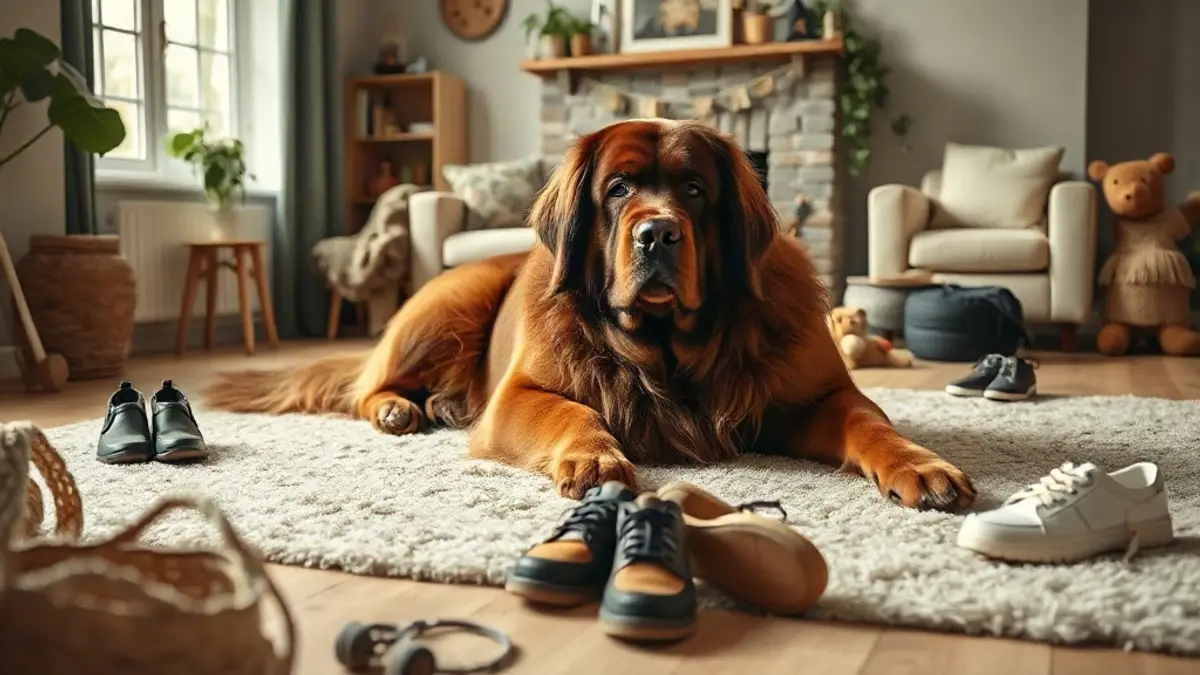
Understanding the Multi-Human Dynamic in a Letter From Dog to Family
Dogs rarely view a household as a single collective unit. Instead, they interact with each person based on established routines, micro-habits, and shared history. When observing companion dogs, many owners notice that pets assign specific roles to different people. One human might be designated for intense games of tug, while another is reserved strictly for calm belly rubs after dinner.
Creating a letter from dog to family works best when you acknowledge these subtle differences. Rather than stating that the dog loves everyone equally in vague terms, a great keepsake points out the exact ways that love shows up. It recognizes the person who wakes up early to handle breakfast, the person who allows sneaky paws on the couch, and the person who always has a spare biscuit in their jacket pocket.
When you capture these distinct interactions, the narrative becomes immediately recognizable to everyone in the home. A family dog keepsake should feel like an accurate mirror of your household’s daily rhythm, reflecting the small, quiet moments that usually go unnoticed during a busy week.
How to Structure a Letter From Family Dog Without Writing a List
One common challenge when drafting a letter from family dog is avoiding a mechanical format. It can be tempting to write a paragraph for each person in order of age, but that often turns the piece into a simple roster. A more engaging approach is to structure the text around shared themes, household routines, or a typical day in the home.
The Daily Timeline Approach
Organize the text by following the clock. Start with the morning routine and the human who handles the first trip outside. Move into the afternoon, noting who works from home or who comes back from school first. End with the evening wind-down, describing how the dog chooses where to sleep and who gets outmaneuvered for pillow space. This structure allows every family member to shine naturally as their part of the day arrives.
The Category of Favoritism Approach
Playfully assign specialized titles to each family member based on their actual interactions with the pet. Rather than picking a single favorite, frame the letter so that every person wins a different award. One human is the Chief Snack Inspector, another is the Master of Long Walks, and another is the Official Ear Scratcher. This keeps the tone light and ensures no one feels left out.
If you want to gather ideas quickly before drafting, take a moment to explore the free six-question experience. It takes about a minute, requires no account or signup, and gives you a fresh look at the funny habits, favorite routines, and small memories that make your dog’s perspective feel completely real.
Gathering Input From Every Household Member
To make a dog family keepsake feel authentic, involve everyone who lives in the house. Children and adults often observe entirely different behaviors in the family pet. A child might notice that the dog always sits under their desk during homework time, while an adult might focus on the dog’s dramatic reaction to the vacuum cleaner.
Here are simple questions you can ask each person in the house to gather specific details:
- What is one thing the dog does with you that they do not do with anyone else?
- What sound or movement immediately gets the dog’s attention when you enter the room?
- Where does the dog sit when you are watching television or working?
- What tiny rule does the dog know they can break when only you are watching?
- What exact phrase or word do you say that makes the dog’s tail start wagging?
Collecting these answers gives you a rich set of concrete details. When you begin writing, you can weave these personal observations into the narrative to create a true pet family personalized gift that resonates with every reader.
Common Roles in a Letter From Dog to Human Family
Every family dog maintains a mental catalog of who handles what in the house. Recognizing these self-assigned roles is the key to creating a pet family personalized gift that feels grounded and genuine.
- The Morning Catalyst: The person who hears the first soft tail thump at daybreak and handles the early feeding routine.
- The Food Inspector: The family member who accidentally or intentionally drops food during dinner prep, making them the most closely monitored person in the kitchen.
- The Adventure Leader: The individual who grabs the leash, opens the car door, or leads the way to the park.
- The Soft Touch: The person who can never say no to a quiet nudge or a warm head resting on their knee.
- The Playmate: The human responsible for high-energy games, wrestling with squeaky toys, or running laps across the yard.
Recognizing how your pet shifts their body language around each of these roles is essential. You can learn more about how pets express these bonds in our guide on the bond between dog and owner.
Structural Options for Your Keepsake
When planning your narrative layout, choosing the right framework helps balance airtime among family members while keeping the story entertaining. The table below outlines four proven options for organizing your text.
| Structural Format | How It Works | Best Used For | Sample Focus Sentence |
|---|---|---|---|
| The Chronological Day | Follows the household schedule from morning alarm to bedtime. | Families with distinct daily routines and shared household chores. | ”Morning belongs to the kitchen crew, but my evenings are reserved for the big couch.” |
| The Award Ceremony | Playfully gives each human a specific title or badge based on their behavior. | Households with children or multiple adults with very distinct personalities. | ”I hereby award the Kitchen Scraps Trophy to the person sitting by the cutting board.” |
| The Rulebook | Written as a set of rules the dog has trained the humans to follow. | Lighthearted, comedic letters that emphasize funny quirks and habits. | ”Rule four: when the homework binder opens, my head goes directly across the keyboard.” |
| The House Tour | Navigates room by room, describing what happens in each location with each person. | Homes where different activities happen in clear, separate zones. | ”The hallway is where we play fetch, but the office is where I handle silent supervision.” |
Selecting a clear structure prevents the narrative from scattering. If you are writing for a household with multiple pets rather than multiple humans, you can also read our advice on crafting a letter from my dogs to coordinate multiple pet voices.
Fictional Examples of a Letter From Dog to Family
To see how these concepts translate into actual text, consider two fictional examples. Each demonstrates how to weave individual family members into a single, flowing letter.
Example 1: The Kitchen Companion and Couch Crew
“To my entire household,
I want to clarify how our day actually works from where I sit on the rug. Morning begins when the blue jacket leaves the bedroom. I know that jacket means the front door opens and the street smells fresh. We walk the perimeter, we discuss the local squirrels, and we return just in time for breakfast.
By mid-morning, the kitchen changes management. The smaller human arrives with toasted bread. Crusts do not fall by accident in this house; they are nudged off the edge with intention, and I appreciate the consistency. When homework begins later in the afternoon, my presence under the table is mandatory. I provide foot warmth; you provide occasional ear scratches. It is a fair exchange.
When evening arrives and everyone gathers on the long sofa, my job is simple. I anchor the middle cushion. You pretend there is no room left for legs, but we all know I am not moving until the last lights go out. Thank you for maintaining this fine establishment.”
Example 2: The Rescue Dog’s Perspective
For an adopted pet, acknowledging their transition into a full house adds warmth. You can explore more ideas on this topic in our dedicated guide to writing a letter from rescue dog.
“To the people in my home,
When I first walked through the back door, I was not sure how many humans one dog actually needed. It turns out that having a whole team is the correct number.
I have learned that the tall one is responsible for the heavy food container in the pantry. I stand very still near the metal bowl around five o’clock to remind you that time is passing. The one with the green sneakers is my running partner. You think we are going out for exercise, but I am mostly keeping track of the neighborhood cat population.
To the one who lets me rest my chin on the sofa armrest while reading: thank you for never making me move my paws when you flip the page. Every single one of you has a job, and you are all doing remarkably well.”
Practical Tips for Writing a Pet Family Personalized Gift
When writing a draft yourself, maintaining a natural, warm tone is easier when you stick to grounded observations. Here are step-by-step guidelines to keep the text engaging.
- Focus on concrete objects: Mention specific items around the house—the squeaky green ball, the worn-out rug near the back door, or the blue leash sitting on the entryway hook.
- Describe non-verbal communication: Dogs communicate through posture, glances, and placement. Include details like a soft chin rest on a knee, a sudden ear twitch at the sound of the car driveway, or a heavy sigh when settled onto a blanket. If you want to dive deeper into these gestures, our overview on how to write a letter from your dog covers subtle body language cues.
- Keep health and safety realistic: If you touch on behavioral habits like mild nervousness during thunderstorms or hesitation around loud household appliances, keep it light. For sudden behavioral changes or signs of distress, it is always best to consult a veterinarian or certified trainer.
- Avoid overly poetic language: Plain, honest sentences carry more weight than abstract metaphors. Describe what the dog actually sees, hears, and smells.
- Include playful negotiation: Highlight the tiny conflicts that happen daily, such as who gets the corner cushion or who gets nudged off the bed first in the morning.
For those who prefer a ready-to-display print format after completing their narrative, reviewing options for a printable letter from dog can help you select the best layout for framing.
Turning Your Family Dog’s Story Into a Keepsake
If you want to create a finished piece that brings all these family details together into a beautiful layout, Letter From My Dog offers personalized digital keepsakes built directly from your answers about your pet.
The core experience is the Letter From My Dog™ ($7, one-time payment). Built from the specific details you share about your home, it delivers a complete, personalized letter written from your dog’s perspective. Alongside the main narrative, it includes Our Bond Story, 10 Little Things Your Dog Probably Loves About Life With You, The Tiny Things™, More Tail Wags bonding suggestions, and A Memory Worth Keeping. You receive printable PDF files ready to display, plus high-resolution phone wallpapers and shareable digital cards. Everything is generated after purchase for easy printing at home.
For families who want to expand their story into a broader narrative, you can also explore the personalized dog storybook ($19), which turns your pet’s routine into a full storybook, or the Dog Movie Poster Pack™ ($4), which reimagines your dog as the hero of custom movie artwork.
Preserving Household Memories for Years to Come
A personalized letter serves as a snap-shot of a specific period in your household’s life. Children grow, daily schedules change, and new routines replace old ones. Putting your dog’s current view of the house on paper preserves the unique atmosphere of your home right now.
Displaying the letter in a central area—such as on the refrigerator, framed near the entryway, or tucked into a family photo album—gives everyone a daily reminder of the quiet, constant role your pet plays. It shifts the focus away from routine chores like picking up toys or filling water bowls, reminding the entire house that every small interaction helps build your dog’s total world.
Frequently asked questions
How do I write a letter from my dog if we have a large family?
Group family members by shared activities rather than writing lengthy individual sections for each person. You can mention the morning group, the afternoon playmates, and the evening couch companions. This keeps the letter moving forward while ensuring everyone feels included in the dog’s daily routines.
What if my dog clearly favors one family member over the others?
Handle favoritism with humor by assigning different roles to everyone. The dog might consider one person their primary safety anchor, but view another as the entertainment director or official snack distributor. Framing each bond around its specific purpose keeps the tone warm and avoids making anyone feel left out.
Should I include family children in the letter’s perspective?
Yes, children often have the most distinct interactions with a family dog. Mention specific habits, such as playing fetch in the hallway, sitting together during schoolwork, or sneaky treat handoffs under the dinner table. Children love hearing how the family pet views their unique games and presence.
Can I write a single letter if we have more than one dog?
Yes. You can write the piece from a collective voice using “we,” or structure it as a conversation between the dogs about their humans. Focus on how the pets share responsibilities, like alerting the house to package deliveries or competing for the warmest spot on the living room rug.
How long should a letter from a family dog typically be?
An ideal letter ranges from 300 to 600 words. This provides enough space to include concrete details, daily routines, and humor for every family member without becoming repetitive. A clean, concise letter is also much easier to frame or print as a keepsake.
How does the Letter From My Dog digital creation process work?
You complete a short series of questions about your pet’s habits, favorite family members, and distinctive quirks. Your custom keepsake is created from the details you share, with the help of generative AI, and delivered as high-resolution digital files ready to print at home.
Keep reading
Family Dog Storybook: A Personalized Book for Everyone
Discover how a personalized family dog storybook brings your dog's real personality to life for bedtime reading with kids.
Letter From My Dogs: Writing for Two or More Dogs
When you live with multiple dogs, writing a single joint note never quite works. Here is how to capture each unique canine voice in your home.

The Bond Between Dog and Owner: Why It Runs So Deep
The depth of your relationship with your dog lives in tiny daily routines, quiet look-ups, and the funny habits only you know.