How to Express Love for Your Dog in Ways They Feel
Discover how to show your dog affection in ways they truly understand, while capturing your unique bond through heartfelt words and memories.
🐾 Free: what would your dog say about you?
Answer 6 questions →To learn how to express love for your dog in ways they actually feel, you must learn to speak both canine and human languages. Dogs process affection through clear signals like uninterrupted sniffing time, gentle side-by-side resting, predictable daily schedules, and focused play. Humans process that deep attachment by capturing memories, saying heartfelt words aloud, and honoring the tiny quirks that make their relationship special.
Short answer: Expressing love for your dog requires a two-part approach. To help your dog feel cherished in their terms, provide unhurried sniff walks, calm touch, predictable routines, and attentive play. To satisfy your human need to express that emotional bond, write down your dog’s unique quirks, create personalized keepsakes, and put your daily life together into words.
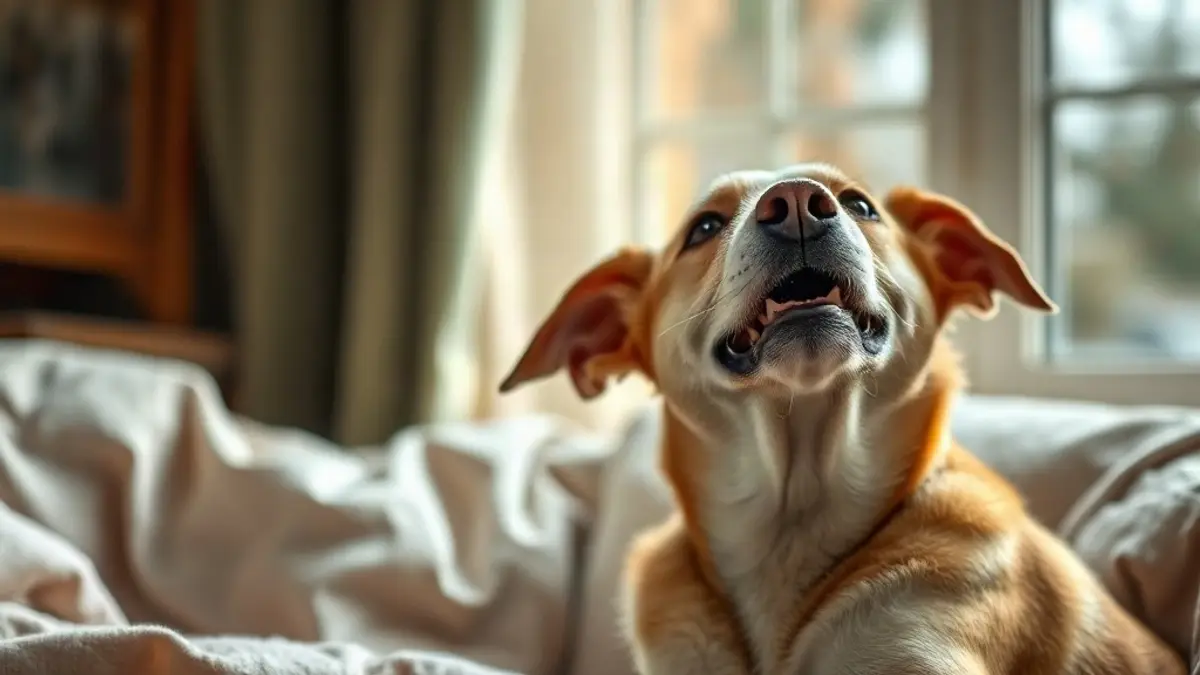
Understanding how to express love for your dog in canine language
Dogs do not interpret affection the same way humans do. While a human might show love with a tight squeeze around the neck or an unexpected surprise, a dog often finds unexpected tight hugs overwhelming. Learning how to express love for your dog means looking at your home environment and daily interactions through a canine lens.
For a dog, love is intimately connected to safety, security, and shared communication. When your dog knows what to expect from you, their stress levels drop. When you pay close attention to their body language, you communicate that their comfort matters to you. Showing love in dog terms does not require elaborate grand gestures; it requires consistent, intentional habits built into your morning and evening routines.
The power of unhurried sniff walks
One of the most effective ways to show your companion that you care is by changing how you handle daily walks. Humans tend to treat walks as fitness exercises focused on moving from point A to point B. For a dog, a walk is a primary source of mental stimulation and news about the neighborhood.
When you pull your dog away from every fire hydrant or tree trunk, you cut off their main way of gathering information. Dedicating even fifteen minutes a day to a sniff walk—where your dog chooses the direction and takes all the time they need to investigate a single blade of grass—tells your dog that their interests matter. Engaging in these bonding activities with your dog builds deep trust because it allows them to satisfy natural biological drives safely.
Calm touch and deep pressure physical affection
Physical contact is a powerful tool for bonding, but the type of touch matters. High-energy pats on the head can sometimes overstimulate a dog or make them duck away. In contrast, slow, sweeping strokes along their back, gentle scratches behind the ears, or soft massage along their shoulders promote relaxation.
Many dogs love resting their chin on your knee or leaning their body weight against your legs while you sit on the couch. This leaning behavior is a sign of trust and comfort. Allowing your dog to stay near you without forcing interaction gives them the autonomy to choose how close they want to be. If you wonder does my dog know I love them, pay attention to how they settle next to you after a long, quiet session of gentle petting.
Predictable daily routines as emotional security
Dogs thrive on predictability. Knowing when meals are served, when walks happen, and when the house goes quiet provides a profound sense of comfort. A predictable schedule tells your dog that their world is stable and that you are a reliable partner.
Imagine a beagle named Pepper who sits by the back door every afternoon at four o’clock. When Pepper’s owner honors that expectation with a quick trip into the yard, Pepper learns that his signals are heard and understood. Reliability is one of the highest forms of affection you can offer a domestic animal.
How dogs communicate comfort and attachment
To return affection effectively, you must understand how dogs communicate their own feelings of comfort and security. Dogs use subtle facial expressions, tail postures, and body positioning to convey how they feel about the humans in their lives.
When a dog feels safe around you, their soft gaze, loose muscles, and relaxed tail carriage show that they are entirely at ease. Some dogs express attachment by bringing you their favorite toy when you walk through the door—not always because they want to play fetch, but because presenting a prized item is a peaceful greeting ritual.
Other common signs of canine attachment include:
- Sleeping with their back pressed against your leg or hip.
- Sighing deeply when settling down beside you on the floor.
- Checking in with eye contact during off-leash play or long walks.
- Waiting patiently outside the bathroom or home office door just to be near you.
Recognizing these quiet gestures helps you realize that your dog is constantly returning the affection you invest in them every day.
Discover what your dog would say about you
Understanding how your dog views your relationship can transform the way you interact with them. If you want to explore your dog’s personality and see your home through their eyes, try the free six-question experience. In about one minute, with no account setup required, you can answer six short questions about your dog’s favorite habits, funny quirks, and daily routines to reveal a personalized reflection of what your dog might say about you.
How to express love for your dog through human words and keepsakes
While your dog benefits from physical touch and structured routines, you as an owner also need an outlet for your affection. Finding meaningful ways to capture your bond allows you to celebrate the unique relationship you share. Expressing love for my dog often involves taking photos, writing down funny memories, or creating tangible reminders of daily life together.
Humans use storytelling to process emotion. When you take the time to document the funny, specific habits of your dog—like how they circle three times before settling on a blanket or how they pretend not to hear you when it is time to come inside—you build a lasting record of your companionship.
Writing a heartfelt tribute to my dog
Writing a tribute to my dog does not have to be reserved for distant future moments. Writing about your dog while they are healthy, happy, and lying right at your feet is a wonderful way to reflect on what they bring to your life.
Start by listing the concrete details that define your dog’s personality. Think about:
- The specific noise they make when they want a bite of your food.
- Their favorite sleeping spot in the morning sun.
- How they react when you pick up their leash.
- The unique nickname you only call them when nobody else is listening.
Putting these details into a written piece or a love letter from dog perspective creates an emotional snapshot of your current life together. You can gather your notes by reading about things I love about my dog to help spark ideas for your own written tribute.
Preserving everyday memories before they fade
Daily life moves quickly, and it is easy to forget the small routines that define your relationship with your pet. Exploring options for how to preserve memories with your dog keeps those tiny moments clear.
You might create a photo album dedicated entirely to your dog’s sleeping positions, frame a custom piece of art based on a favorite photograph, or write down a monthly list of the funny things they did. These physical keepsakes serve as a bridge between human emotional expression and the concrete reality of your dog’s presence in your home.
Canine affection vs. human emotional expression
Because dogs and humans experience affection differently, it helps to compare how specific actions translate between species. The table below outlines how common displays of love are interpreted in dog terms versus how owners express those same emotions in human terms.
| Expression Category | In Dog Terms (What They Feel) | In Human Terms (How We Express It) |
|---|---|---|
| Physical Touch | Lean softly against legs, slow sweeping pets along the back, gentle ear scratches. | Hugs, forehead kisses, snuggling close while watching television. |
| Shared Time | Unhurried sniff walks, dedicated fetch sessions, sitting silently in the same room. | Taking photos on trips, planning dog-friendly outings, buying new toys. |
| Communication | Relaxed posture, soft eye contact, gentle tail wags, peaceful sighing. | Speaking in high voices, writing tributes, assigning funny inner monologues. |
| Security & Comfort | Predictable meal times, clear boundaries, quiet resting spots, calm leadership. | Buying cozy orthopedic beds, curating wholesome treats, keeping routine schedules. |
| Play & Energy | Tug-of-war games, scent puzzles, chasing balls in open fields. | Buying colorful toys, recording funny videos for friends, organizing playdates. |
By balancing both sides of this table, you ensure that your dog feels secure and understood while you get to fully express the deep joy of being a dog owner.
Simple bonding activities that speak your dog’s language
If you want to strengthen your connection, try incorporating these five simple activities into your weekly routine:
- The Scent Treasure Hunt: Hide a few low-calorie dog treats around your living room under cardboard boxes or behind chair legs. Encourage your dog to search using their nose. Scent work is mentally tiring and builds confidence.
- The Quiet Connection Sit: Sit quietly on the floor at your dog’s level without calling them over or holding treats. Let your dog decide whether to approach, sniff, or lie down next to you. Respecting their choice builds mutual trust.
- The Destination Sniff Walk: Drive or walk to a new park or quiet neighborhood street that your dog has never visited before. Move at their speed and let them sniff every novel tree and fence post without rushing them.
- Structured Interactive Play: Engage in a controlled game of tug using a soft rope toy. Practice starting and stopping the game on command. Clear rules during play make the activity fun and safe for everyone.
- Grooming and Massage Sessions: Spend ten minutes brushing your dog’s coat with slow, deliberate strokes. Follow up with a light shoulder massage if your dog enjoys physical handling.
Addressing sudden behavioral shifts or health changes
Expressing love also means protecting your dog’s health and physical well-being. Sometimes an owner’s attempt to bond can be complicated by unexpected changes in a dog’s mood or actions. If your dog suddenly shows signs of severe anxiety, unexpected aggression, unexplained pain, changes in appetite, or drastic shifts in daily behavior, step back from training exercises and consult a veterinarian or a certified professional. Behavior changes can often stem from underlying medical issues, and getting professional guidance is the best way to care for your companion.
Before introducing new foods, snacks, or strenuous exercise regimes into your dog’s schedule, always speak with your vet. For instance, common human foods like chocolate are toxic to dogs, and high-impact running can harm growing joints in younger dogs. Safe love is informed love.
Practical ways to build love rituals into your daily routine
Showing love does not require hours of free time every day. Small, consistent rituals integrated into your existing schedule make a significant difference in your dog’s emotional well-being.
- Morning Eye Contact: When you first wake up, spend thirty seconds sitting quietly with your dog before reaching for your phone. Greet them with a soft voice and a slow pet.
- Post-Work Decompression: Give your dog five minutes of focused attention as soon as you arrive home. Put your keys away, drop your bag, and interact with them before moving on to evening chores.
- Mealtime Gratitude: Pause for a moment while placing your dog’s food bowl on the floor. Ask for a simple sit, offer brief verbal praise, and let them enjoy their meal in peace without disturbance.
- Evening Wind-Down: Create a calming environment before bed by lowering lights and turning off loud media. Invite your dog to settle near you on their mat or bed with a gentle stroke along their head.
- Weekly Habit Check: Take a moment once a week to review your dog’s physical condition, checking their paws, ears, and coat while offering gentle praise and small rewards.
Turning your unique bond into a personalized letter and keepsake
Once you have established daily routines that make your dog feel safe and happy, you may want to capture that relationship in a permanent, beautiful format. At Letter From My Dog, we help owners translate the unspoken understanding they share with their pets into meaningful written keepsakes.
Our flagship product, the Letter From My Dog™ ($7, one-time purchase), creates a full personalized letter written as if directly from your dog. Created from the specific details you share about your home life, habits, and memories—with the help of generative AI—this digital keepsake puts your bond into warm, observant words. Each order includes the personalized letter, Our Bond Story, 10 Little Things Your Dog Probably Loves About Life With You, The Tiny Things™, bonding activity suggestions, printable PDF files ready for framing at home, a custom phone wallpaper, and an Instagram story share card.
If you want to explore other ways to celebrate your pet, you can also turn your dog’s life into a personalized digital storybook with our $19 storybook option, or transform your dog into the star of their own movie poster with the $4 poster pack. Every keepsake is generated after purchase, delivered digitally with no physical shipping required and no recurring subscription.
Frequently asked questions
How to express love for your dog in practical daily ways?
You can express love for your dog by providing structured daily routines, dedicated sniff walks, calm touch, and focused play. Allowing your dog time to explore their environment through scent and respecting their need for rest helps them feel safe, valued, and emotionally secure in your home.
Does my dog know how much I love them?
Yes, dogs read human body language, tone of voice, and daily consistency very well. When you provide regular meals, safe shelter, gentle physical contact, and calm attention, your dog registers those actions as security and affection. They show their awareness by seeking your company and resting comfortably near you.
What are the best words about loving your dog to include in a keepsake?
The best words about loving your dog focus on tiny, specific details rather than general phrases. Mention their specific daily habits, the funny way they greet you at the door, their favorite sleeping spots, or how they react to their leash. Specificity creates a warm, authentic portrait of your bond.
Can I show my dog love without using food treats?
Absolutley. While treats are wonderful rewards, dogs also highly value praise, physical touch, play sessions, and environmental freedom like sniffing on walks. Gentle scratches behind the ears, a game of tug, or sitting together quietly on the floor are all high-value ways to express affection without food.
How do I know if my dog prefers quiet affection or active play?
Observe your dog’s body language during different interactions. If your dog leans into your hands, sighs, and relaxes their body during slow petting, they enjoy quiet affection. If they bring you toys, bounce on their front paws, or wag their tail vigorously, they are asking for active play.
What should I do if my dog seems overwhelmed by affection?
If your dog turns their head away, licks their lips, yawns, or moves away when you pet them, they may feel overwhelmed. Respect their space by stepping back and letting them approach you when they are ready. Giving your dog control over when they interact builds long-term trust and comfort.
Keep reading
Bonding Activities With Your Dog: 25 Simple Ideas
Building a closer connection with your dog does not require huge trips or fancy gear—just small, intentional moments throughout your day.

Does My Dog Know I Love Them? What Everyday Life Shows
Your dog might not understand every word you say, but daily routines, soft eyes, and predictable care speak volumes in canine language.
Love Letter From My Dog: Sweet Words That Feel Real
Learn how to write a sweet, emotional letter from your dog by trading generic sentiment for the specific daily habits only you know.