Why Do I Love My Dog So Much? The Honest Answer
The deep bond you share with your dog is built on daily care, simple routine, touch, and an honest kind of acceptance that is rare anywhere else.
🐾 Free: what would your dog say about you?
Answer 6 questions →You love your dog so much because they offer an uncomplicated, nonjudgmental presence that human relationships rarely match. Every single morning, your dog meets you with complete acceptance, entirely unbothered by your mistakes, your stress, or how you look. This profound attachment grows out of daily care, shared habits, soft eye contact, and the simple comfort of being needed by another living soul.
Short answer: You love your dog so much because daily care, physical touch, and gentle routine create a powerful psychological feedback loop. Dogs offer complete acceptance, rely on us entirely, and share our quietest moments. This steady companionship stimulates bonding hormones, satisfies our deep instinct to nurture, and makes your dog feel like genuine family.
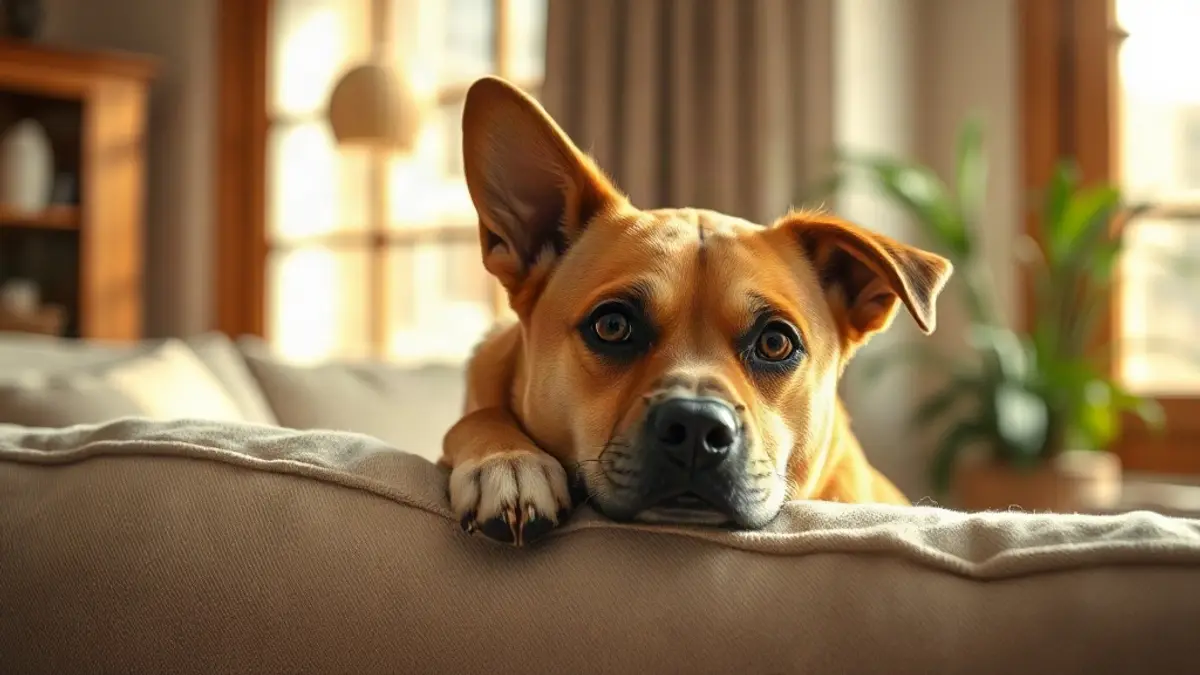
Why You Love Your Dog So Much: The Science of Care and Chemistry
To understand why you love your dog so much, it helps to look at what happens in your body and mind during ordinary moments together. When you look into your dog’s eyes or pet their ears while sitting on the couch, your brain releases oxytocin, often called the bonding hormone. This is the same biological signal that strengthens ties between human parents and their children.
It is not a one-sided connection. Research suggests that when a dog looks at their owner with calm, open body language, their oxytocin levels rise too. You are literally wired to feel close to each other. Every soft stroke along their back, every quiet pause by the front door, and every shared morning walk reinforces this biological loop.
Beyond biology, the simple act of taking care of someone else builds attachment. Filling a water bowl twice a day, wiping muddy paws by the doorway, and checking the weather before stepping outside all turn into acts of quiet devotion. You love your dog because you invest your time, focus, and energy into their safety every single day.
Caregiving Action ---> Emotional Investment ---> Deeper Attachment ^ | | v Increased Trust <--- Oxytocin Release & Comfort <--- Shared Routine
The Unspoken Agreement of Complete Acceptance
Human relationships are complex. They involve negotiation, subtle social rules, emotional expectations, and occasional misunderstandings. A relationship with a dog is refreshingly direct. Your dog does not care about your bank account, your career setbacks, or whether you said the wrong thing in a meeting six hours ago.
If you sit down on the rug after a long, frustrating afternoon, your dog simply walks over, rests a warm head against your knee, and lets out a heavy sigh. That honest simplicity provides emotional rest. You do not have to perform, explain yourself, or pretend to be feeling better than you are.
The Grounding Force of Predictable Routines
Modern life feels fast, unpredictable, and loud. A dog brings immediate, grounded reality back into your home. They live entirely in the present moment, governed by simple rhythms: breakfast at seven, a sunbath by the sliding glass door at ten, a walk around five, and a nap on the rug after dinner.
By keeping your dog on a steady schedule, you anchor yourself in the present as well. When you step outside for a evening walk, you leave your phone screens behind and notice the cool air, the sound of dry leaves, and the intent way your dog sniffs every fence post. That grounding presence is a major reason why dogs mean so much to us.
Why Am I So Attached to My Dog? Touch, Play, and Safety
If you find yourself wondering why am I so attached to my dog, consider how much sensory comfort your dog offers throughout the day. Physical touch is a basic human requirement, yet adult life often lacks quiet, gentle, physical warmth without strings attached.
Holding a dog’s soft paw, resting your hand against their ribs as they sleep, or scratching that soft patch of skin behind their ears creates an instant sensation of physical grounding. Their steady breathing rhythm acts like a natural pacing mechanism for your own nervous system.
Physical Touch Point Sensory Experience Emotional Impact
Soft ears Gentle, tactile warmth Instant calm Steady heartbeat Rhythmic movement Reduced physical tension Weight against your feet Solid, warm presence Sense of security Nodding head on knee Gentle, lean-in motion Feeling chosen and safe
The Psychological Value of Being Needed
Humans have an inherent need to be useful, protective, and essential to someone else. Your dog relies on you completely for food, safety, shelter, entertainment, and health. This heavy responsibility does not feel like a chore; it feels like a purpose.
Knowing that a living creature waits for your return, relies on your kindness, and considers you their entire world gives structure to your day. Even on days when you feel disconnected from work or social circles, you remain central to your dog’s universe.
Playfulness as an Adult Emotional Outlet
Adult life offers very few opportunities for uninhibited silly behavior. Playing with a dog brings out an easy, low-stakes playfulness that adults rarely experience anywhere else.
Whether you are engaging in a light game of tug-of-war with a tattered rope toy or throwing a squeaky tennis ball down a carpeted hallway, play breaks up daily tension. You can make absurd voices, invent silly songs about dinner, or run around the living room coffee table without judgment. That freedom to be completely goofy strengthens your bond every day.
Why Dogs Mean So Much to Us: Built on Shared History
The length of time you spend living alongside a dog creates a rich history made of tiny, specific moments. Over months and years, you develop an unspoken dialect that nobody outside your house fully understands.
Imagine a beagle mix named Barnaby. Barnaby knows that the sound of the pantry door opening at four o’clock means a dental chew is coming, but the sound of the hall closet door means a leash is coming out. His owner knows that a low murmur by the back door means a squirrel is in the yard, while a sharp single bark means the mail carrier has arrived. This deep understanding builds over thousands of small interactions.
Common Dog Signal Playful Interpretation What It Often Shows
Head resting on knee “Please share your snack.” Seeking touch & closeness Sharp bark at door “An intruder delivered paper.” Protecting the perimeter Heavy sigh in bed “The day was long, but good.” Complete relaxation Soft nudging of hand “You paused the belly rubs.” Requesting attention
The Power of Being Seen and Known
Your dog learns every single one of your personal habits. They know your morning coffee routine, the sound of your car turning into the driveway, the specific shoes you wear when you are about to leave for hours, and the sweatshirt you put on when you are staying home all day.
This level of detailed observation makes you feel genuinely known. In a world where people often pass each other by without noticing details, your dog pays close attention to your posture, your footsteps, and your voice tones.
Discover What Your Dog Would Say About You
If you want to explore the special bond you share with your dog through a warm, creative lens, try the free six-question experience. By answering a few quick questions about your dog’s daily routines, funniest habits, and favorite spots, you will receive a custom text preview revealing what your dog might say about life by your side. It is completely free, takes about a minute, and requires no account signup.
Why Does My Dog Feel Like Family?
People often ask why is my dog so important to me that I treat them like a core member of the household. The answer is simple: my dog is family because they share every room, routine, and milestone of your life. They inhabit your personal space in a way few other human beings ever do.
A dog is present during morning coffee, weekend couch lounging, rainy afternoon naps, family holiday gatherings, and quiet late-night work sessions. They are there for major life changes—moving to a new apartment, changing jobs, or navigating personal transitions. Through every change, their presence remains constant.
Life Domain Traditional Family Role How a Dog Fulfills It
Home Living Shares living space daily Occupies central spots in the home Daily Routine Participates in family meals Eagerly waits by the kitchen table Emotional Support Offers comfort during stress Sits beside you without requiring words Celebrations Joins in special gatherings Receives special treats on milestones
The Concept of the Safe Place
In human psychology, a safe place is an anchor—a person or setting that allows you to drop your guard completely and feel secure. For many owners, their dog serves as this anchor. When you enter your home and see your dog resting quietly on their bed, your body receives a physical signal that you are safe.
To read more about how this secure attachment develops, you can explore the bond between dog and owner and see why this partnership feels distinct from any other connection in your life.
Comparing Human Friendships and Dog Companionship
While human friendships offer deep intellectual sharing, conversational humor, and mutual advice, dog companionship fulfills entirely different emotional needs. Neither replaces the other, but recognizing how they differ explains why dogs hold such a distinct spot in our hearts.
| Aspect of Relationship | Human Friendships | Companion Dog Relationship |
|---|---|---|
| Communication | Spoken language, text messages, complex verbal nuance | Body language, gentle eye contact, vocalizations, tail wags |
| Expectations | Reciprocal favors, emotional balance, shared social efforts | Simple caretaking, steady routine, clear safety boundaries |
| Judgment | Occasional social comparison or differing personal opinions | Complete lack of social judgment or performance pressure |
| Presence | Scheduled visits, phone calls, occasional gatherings | Continuous daily presence within your living space |
| Conflict Resolution | Verbal discussion, compromise, complex apology processes | Quick return to calm affection after gentle redirection |
| Dependence | Mutual adult independence | Complete dependence for physical care and safety |
As shown in the table above, the relationship you share with your dog is free from social pretense. This creates a rare space where you can relax completely without worrying about social standards.
Five Subtle Indicators That Show Why Your Dog Is So Important to You
You might not always realize how deeply integrated your dog has become in your daily thinking. Here are five clear indicators that show how deep your attachment really runs:
- You adjust your daily schedule around their comfort. You find yourself calculating how long you have been out, turning down a second drink after work, or stepping out early from a social event because you know your dog is waiting by the front window.
- You talk to them in full sentences. You catch yourself explaining your daily plans, complaining about traffic, or asking their opinion on dinner choices while standing in the kitchen, half-expecting them to understand every word.
- Your camera roll is filled with near-identical photos. You have forty pictures on your phone of your dog sleeping in slightly different positions under a patch of afternoon sunlight on the living room rug.
- You create custom nicknames that evolve continuously. What started as “Charlie” somehow turned into “Bean,” then “Sir Bean,” and eventually a multi-syllable song you chant while filling his food bowl every night.
- You double-check their comfort before your own. Before settling down to watch a movie, you arrange their favorite blanket, adjust the heater, or clear space on the cushion so they have a soft spot to curl up.
These small, everyday habits demonstrate why dogs mean so much to us. They prove that caretaking is built from hundreds of tiny considerations woven throughout your day.
How to Express Your Love in Ways Your Dog Actually Understands
Loving your dog deeply is wonderful, but expressing that affection in ways that make sense in canine behavior ensures that your dog feels secure, respected, and happy. Dogs do not process love through expensive gifts or long verbal explanations; they interpret love through clear signals and safe environments.
- Offer steady, calm consistency. Dogs thrive when rules, feeding times, and walk schedules remain predictable. Predictability reduces anxiety and creates deep emotional safety.
- Respect their personal space and signals. Learn to read subtle canine communication—like lip licking, turning away, or stiffening—and give them space when they need it. Letting your dog opt into physical touch makes them trust you even more.
- Engage in focused sniffs on walks. Instead of rushing through a neighborhood loop on a short leash, allow your dog time to explore scents. Sniffing lowers a dog’s heart rate and provides mental enrichment.
- Provide gentle, long strokes along their back. Many dogs find long, slow pets along their side or shoulders much more soothing than fast pats on top of their head.
- Set up enriching puzzle toys and mental games. Giving your dog a safe rubber toy stuffed with frozen dog-safe peanut butter or food rewards their natural problem-solving instincts.
Dog’s Perspective: Predictable Routines + Low-Stress Environments = Deep Emotional Trust
Safety Note: Always double-check food ingredients to ensure treats are free from toxic substances like xylitol or chocolate, and avoid sudden drastic changes in exercise routines without checking with your vet. If your dog exhibits sudden changes in behavior, extreme fear, or signs of pain, consult a veterinarian or a certified professional trainer for clear guidance.
Turning This Feeling Into a Concrete Keepsake
When you spend years caring for a dog, you accumulate hundreds of tiny details that deserve to be captured in print. The specific way they sleep, the sound of their nails on the hallway floor, and their absurd reaction to the vacuum cleaner are all pieces of a quiet, beautiful life shared together.
At Letter From My Dog, we help you turn those subtle, everyday details into lasting digital keepsakes that capture your dog’s voice and personality.
Our flagship gift, the Letter From My Dog™ keepsake ($7, one-time purchase), is a custom digital letter written as if directly from your dog to you. Created from the specific details you share about your dog’s routines and quirks with the help of generative AI, it includes:
- A full, personalized letter from your dog’s playful perspective.
- Our Bond Story detailing your unique relationship.
- 10 Little Things Your Dog Probably Loves About Life With You.
- The Tiny Things™ highlighting their oddest habits.
- More Tail Wags filled with bonding activity ideas.
- A beautifully formatted printable PDF, a custom phone wallpaper, and an Instagram story share card.
You can also explore our personalized dog storybook ($19) for a complete story experience, or our Dog Movie Poster Pack™ ($4) to turn your dog into the star of a cinematic poster. All keepsakes are digital products generated after purchase, allowing you to print them at home or keep them on your phone forever.
Documenting the Tiny Details That Make Your Dog Unique
If you want to keep the warmth of this bond alive in your daily life, take time to write down the small things before they slip away. Think about:
- The precise chirp or whine they make when they hear the treat cabinet open.
- The weird stretch they perform every single time they stand up from a nap.
- The exact spot on their chin where they like to be scratched.
- How they react when it starts raining outside.
If you enjoy reflecting on these nuances, read our guide on things you love about your dog or check out our thoughts on why your dog is your best friend. You can also discover practical ideas in how to express love for your dog and reflect on whether your dog knows you love them.
When you pay close attention to these small details, you begin to see that the answer to why do I love my dog so much is not found in one massive reason. It is found in a thousand tiny, beautiful moments that belong entirely to the two of you.
Frequently asked questions
Is it normal to love my dog as much as a human family member?
Yes, it is completely normal and psychologically healthy. Research into the human-animal bond shows that caring for a dog activates the exact same brain regions and caregiving instincts involved in human parenting and close friendships. Dogs live inside our homes, share our daily routines, and provide continuous emotional presence. Because they offer total acceptance without judgment or conflict, it is entirely natural for a dog to feel like a core member of your family.
Why do I feel so much physical comfort when touching my dog?
Petting a dog triggers a natural physiological reaction in humans. Stroking a dog’s fur lowers your heart rate, decreases cortisol (the primary stress hormone), and stimulates the release of oxytocin and endorphins. This combination reduces physical tension and produces an immediate sense of calm. The steady warmth, rhythmic breathing, and soft touch of a dog offer a simple form of sensory grounding that human social interactions do not always provide.
Can a dog love me back in the same way humans love?
While dogs do not express emotion through complex abstract thoughts or language, they show profound affection through bond-seeking behaviors, trust, and physical closeness. Brain imaging studies suggest that dogs experience positive emotional responses when smelling their owner’s scent or hearing their owner’s voice. When your dog leans against your legs, greets you with an enthusiastic tail wag, or rests their chin on your knee, they are expressing affection and trust in full alignment with canine behavior.
What should I do if my dog suddenly changes their behavior or seems distant?
If your dog suddenly becomes distant, clingy, aggressive, or unusually anxious, your first step should always be to schedule an appointment with a qualified veterinarian. Sudden behavioral shifts in dogs are often triggered by underlying physical pain, illness, dental issues, or hidden medical conditions rather than emotional changes toward you. Once a veterinarian rules out medical issues, you can consult a certified professional force-free dog trainer or animal behaviorist to address any environmental stressors or training needs safely.
How can I turn my dog’s daily habits into a lasting memory?
The best way to turn your dog’s daily habits into a lasting memory is to document specific, concrete details rather than broad descriptions. Write down their exact morning routines, their custom nicknames, their oddest fear, and the precise spot they choose on the couch. You can record these in a journal, print custom photos, or use a personalized keepsake service like Letter From My Dog™ to turn your specific answers into a beautiful narrative you can print and keep forever.
Why am I so attached to my dog compared to other pets I have had?
Attachment levels vary based on timing, lifestyle, shared experiences, and individual dog personalities. You may be especially attached to your current dog because they arrived during a significant life transition, shared a period of personal stress, or possess a temperament that meshes perfectly with your daily routine. The unique combination of their quiet presence, your daily caretaking efforts, and shared history creates a distinct, irreplaceable relationship that stands out across your lifetime.
Keep reading

My Dog Is My Best Friend: What That Really Means
Exploring why our dogs become our closest companions, how daily routines build trust, and what that bond says about human love.

Things I Love About My Dog: How to Write Your List
Generic praise fades fast. Here is how to write a deeply specific list of habits, sounds, and rituals that truly capture your dog's unique personality.
The Bond Between Dog and Owner: Why It Runs So Deep
The depth of your relationship with your dog lives in tiny daily routines, quiet look-ups, and the funny habits only you know.